NEWS

  • British Teenager, Formerly Imprisoned in Dubai, Dies in London Car Crash

    British Teenager, Formerly Imprisoned in Dubai, Dies in London Car Crash

    A heartbreaking story has emerged from North London, where 19-year-old Marcus Fakana died following a car crash in Tottenham — just months after returning home from a controversial imprisonment overseas.

    From Hopeful Holiday to Harsh Punishment

    Marcus’s journey took a devastating turn while on holiday abroad, where a consensual relationship led to his arrest and prosecution under local laws. The case highlighted the stark cultural and legal differences young people can face when travelling — and the life-changing consequences that can follow.

    After serving a prison sentence, Marcus was eventually released and returned to the UK earlier this year. Friends and family hoped his homecoming would mark the beginning of a new chapter: one focused on rebuilding his future, leaving the trauma of his incarceration behind.

    A Fatal Night in Tottenham

    But that new beginning was not to be. In the early hours of a Friday morning, a vehicle in which Marcus was a passenger was involved in a serious collision in Tottenham. Police had reportedly attempted to stop the car before the crash occurred. Despite being treated at the scene and rushed to hospital, Marcus tragically succumbed to his injuries.

    The driver of the vehicle, also 19, was arrested on suspicion of dangerous driving and failing to stop. Investigations into the incident are ongoing.

    A Community in Shock

    News of Marcus’s death has left many devastated — particularly those who had followed his story and supported him through his legal ordeal. Community members, friends, and campaigners have shared heartfelt tributes online, mourning a life that had already faced extraordinary challenges and was only just beginning to recover.

    The tragedy has reignited conversations about youth safety, international legal systems, and the long-term effects of imprisonment. Many see Marcus’s story as a powerful reminder of how vulnerable young people can be when caught between different laws and cultures — and how the impacts of those experiences can ripple far beyond the courtroom.

    More Than a Statistic

    Marcus’s death is more than just a headline. It represents the loss of potential, the fragility of freedom, and the importance of compassion in how societies approach justice and rehabilitation. His life, though brief, has sparked conversations about fairness, safety, and the responsibilities we share — both at home and abroad — to protect and guide young people.


    As investigations into the crash continue, one thing remains certain: Marcus Fakana’s story will not be forgotten. It stands as a poignant reminder of how quickly life can change — and how vital it is to ensure that no one’s future is defined by a single mistake.


    Read more
  • 20 Years of Guns & Roses: A Milestone Moment in Grime History

    20 Years of Guns & Roses: A Milestone Moment in Grime History


    This November, one of grime’s most influential crews is coming full circle. Ruff Sqwad are marking 20 years since the release of their seminal Guns & Roses mixtapes — a pair of projects that defined an era and reshaped the sound of UK music. To celebrate, they’ll headline a one-off anniversary show on 14 November 2025 at Oslo, Hackney — a night set to honour their legacy while looking firmly toward the future.


    The Birth of a Classic

    When Guns & Roses Vol. 1 (2005) and Vol. 2 (2006) first dropped, grime was still carving out its identity — raw, rebellious, and unapologetically DIY. Ruff Sqwad’s work captured that moment perfectly: innovative beats, ferocious bars, and the kind of authenticity that turned underground tapes into cultural landmarks.

    Two decades later, those projects remain reference points — cited by fans, critics, and artists alike as foundational pillars of the genre. Their influence continues to ripple through today’s music, proving that classic grime still has power in 2025.


    What to Expect: 14 November

    ???? A Setlist Steeped in Nostalgia

    The anniversary show promises a journey through Guns & Roses history. Expect iconic tracks like “Together,” “Xtra,” “Pied Piper,” and more — songs that shaped grime’s early identity and still hit with the same raw energy today.

    But Ruff Sqwad are known for surprises. Fans should anticipate guest appearances, reimagined versions, and possibly brand-new material, showcasing their evolution and continued creative fire.

    ???? A Show with Purpose and Production

    This isn’t a simple throwback gig. Expect carefully curated visuals, lighting, and transitions designed to bridge past and present — with Oslo Hackney’s intimate yet electric space offering the perfect backdrop. It’s more than a performance; it’s a living history lesson.


    More Than Music: A Legacy of Empowerment

    Ruff Sqwad’s story doesn’t end with their mixtapes. Over the years, they’ve expanded their mission beyond the booth and into the community — using their platform to empower the next generation through the Ruff Sqwad Arts Foundation (RSAF).

    Founded in 2017 by Prince Rapid and Slix, RSAF provides access, training, and mentorship for young creatives, particularly from underrepresented backgrounds. Their initiatives include:

    • Grime Pays: A talent development programme teaching songwriting, production, performance, and industry skills.

    • Flee FM & Flee FM 2: Projects reimagining pirate radio culture with opportunities for hands-on creative experience.

    • Discuss & Devour Podcast: A youth-led platform amplifying voices and exploring cultural issues.

    • Full Clip Winternship: Paid training across music, screen, stage, and technical roles.

    • Workshops & Community Projects: Sessions, short films, murals, and collaborations across Newham, the Royal Docks, and beyond.

    These are not token efforts — they’re long-term commitments that turn potential into opportunity and creativity into career paths.


    Bridging Generations

    Ruff Sqwad’s ability to remain relevant lies in their refusal to be boxed in by nostalgia. While their early work still inspires, their collaborations with new artists and ongoing projects like Flee FM prove they’re just as vital today as they were 20 years ago. This anniversary show will likely draw fans from every generation — the ones who grew up with Guns & Roses and those discovering Ruff Sqwad for the first time.


    Looking Back — and Forward

    The 20th anniversary of Guns & Roses is more than a celebration of old music. It’s a testament to how far grime has come — and how much of that journey was shaped by Ruff Sqwad’s vision, hustle, and creativity.

    On 14 November 2025, the stage in Hackney will be more than a concert venue. It will be a time capsule, a classroom, and a celebration all at once — a night that honours the past while sowing seeds for the future.

    Because for Ruff Sqwad, the legacy isn’t just behind them. It lives on — in the beats, the bars, and the new generation of creators they continue to inspire.


    Read more
  • Prostate Cancer Treatment Reform Urged for Black Men

    Prostate Cancer Treatment Reform Urged for Black Men

    By FeroTV Newsroom

    Calls are growing for urgent reform in the way the NHS approaches prostate cancer treatment for Black men, as health experts warn of a potential “epidemic” if action is not taken.

    Medical researchers and campaigners stress that Black men in the UK face a significantly higher risk of developing prostate cancer than their white counterparts. Studies show that Black men are not only more likely to be diagnosed but are also more often diagnosed at a later stage, when treatment options are limited and survival chances are reduced.

    Disproportionate Impact

    Currently, Black men are twice as likely to develop prostate cancer, and the mortality rate is alarmingly higher. Despite this, screening protocols remain the same across the board, with no targeted measures to address the elevated risks in Black communities.

    “This is a serious public health gap,” said one campaign spokesperson. “If we fail to adapt treatment and screening guidelines, we risk seeing unnecessary deaths that could have been prevented with early detection.”

    Calls for NHS Reform

    Campaigners are urging the NHS to implement tailored prostate cancer screening programmes, similar to those in place for breast cancer. Proposals include:

    • Lower screening age for Black men.

    • Targeted awareness campaigns in Black communities.

    • Investment in research focused on genetic and socio-economic factors.

    Breaking the Silence

    Community leaders also stress the importance of conversation. In many Black households, cancer remains a taboo topic, leading to delayed health checks. By normalising prostate cancer discussions in churches, barber shops, and community centres, advocates believe lives can be saved.

    A Matter of Equity

    Health inequalities are not new, but the urgency of reform has never been clearer. Ensuring Black men receive fair, timely, and effective care is not only a medical issue—it is a matter of racial equity within the UK’s healthcare system.


    As campaigners press forward, the message to Black men across the country is clear: get checked, know your risk, and speak up.


    Read more
  • When Legends Reunite: Wiley, Dizzee Rascal & DJ Mak10 Spark a Grime Revival in Shoreditch

    When Legends Reunite: Wiley, Dizzee Rascal & DJ Mak10 Spark a Grime Revival in Shoreditch

    FeroTV Mack Jehu Music & Culture | London – September 2025

    Some nights are more than just music — they’re history in the making. That’s exactly what happened in Shoreditch, East London, when grime pioneers Wiley and Dizzee Rascal took to the decks side by side for the first time in years, joined by legendary selector DJ Mak10.

    What began as a surprise performance quickly became something deeper: a reconnection with the roots of UK grime, a celebration of legacy, and a powerful symbol of unity in a culture that has often been defined by rivalry.


    A Night That Changed the Game

    The set, billed simply as a reunion, caught fans off guard. After years of silence — and one of the most publicised fallouts in UK music history — seeing Wiley and Dizzee share a stage again felt surreal.

    Eyewitnesses described an “electric” atmosphere. The crowd swelled, hands in the air, reciting iconic lyrics that shaped a generation. At one point, footage captured Wiley appearing visibly emotional, as if fully aware of the weight of the moment.

    DJ Mak10, a foundational figure in grime’s early rise, acted as the glue holding the night together. His seamless transitions wove classic grime beats with new-school sounds, giving Wiley and Dizzee space to feed off each other’s energy — switching verses, trading flows, and proving that their chemistry remains unmatched.


    More Than Nostalgia — A Cultural Reset

    On the surface, this was a nostalgic event. But beneath the beats and reloads, the Shoreditch performance carried deeper significance. It was a reminder of grime’s resilience, its ability to evolve, and the power of reconciliation.

    1. Healing Old Wounds

    The Wiley–Dizzee fallout is one of grime’s most well-known feuds. Their reunion showed that even the deepest rifts can heal. It’s a powerful message to younger artists: competition is part of the culture, but unity is where legacies are cemented.

    2. Honouring the Foundations

    For fans who grew up on Wiley’s “Eskimo” instrumentals or Dizzee’s Mercury Prize-winning Boy in da Corner, this night validated their cultural impact. For newer fans, it offered a living history lesson — a bridge to grime’s origins and the blueprint for where it can go.

    3. Bridging Generations and Cities

    While the event took place in London, its impact resonated across the UK. Clips from the night spread across social media, igniting excitement in cities like Birmingham, Manchester, and Newcastle. It reminded everyone that grime isn’t a London story — it’s a British one.

    4. Reaffirming Grime’s Relevance

    Far from being a relic of the 2000s, grime proved once again that it remains vital and evolving. The reunion showed that the genre’s pioneers still command crowds while welcoming collaboration with a new generation of artists.

    5. Inspiring Unity Through Music

    In an era marked by division — social, cultural, and generational — moments like this remind us that music can bring people together. It’s not naïve; it’s a reflection of what culture is capable of when egos are set aside.


    Lessons for the Next Generation

    For emerging grime MCs and producers watching from the sidelines, Shoreditch offered more than entertainment — it offered a blueprint:

    • Don’t burn bridges lightly. Rivalries happen, but reconciliation is powerful.

    • Respect your heritage. Innovation thrives when it’s built on a solid foundation.

    • Collaborate across generations. The old guard has wisdom, the new guard brings fresh energy.

    • Build, don’t compete. Lifting others strengthens the whole scene.

    • Document the culture. Every set, every verse, every moment contributes to grime’s ongoing story.


    Final Thoughts

    The Shoreditch reunion was more than a performance — it was a cultural reset. Wiley, Dizzee Rascal, and DJ Mak10 reminded us that grime isn’t just music; it’s a movement built on resilience, community, and evolution.

    Their shared stage wasn’t about the past — it was about the future. And in that moment, it became clear: grime is not a battlefield. It’s a tapestry. And together, the legends just added another powerful thread.


    Follow FeroTV for more exclusive stories from the heart of UK music culture — where legacy meets the next wave.


    Read more
  • Three Met cops who strip-searched black girl, 15, GUILTY of misconduct – but are cleared of racially profiling her

    Three Met cops who strip-searched black girl, 15, GUILTY of misconduct – but are cleared of racially profiling her

    Child Q: A Case That Shook Trust in Policing

    In East London, the story of a 15-year-old Black schoolgirl — known publicly only as Child Q — continues to echo as one of the most troubling cases of police misconduct in recent memory.

    The Incident

    During school hours, the girl was pulled out of class after staff believed she smelled of cannabis. A search of her belongings found nothing. Despite this, two Metropolitan Police officers were called in. They took her to a medical room where she was ordered to remove her clothing. She told them she was on her period. Even then, the search went ahead, leaving her exposed and humiliated. Crucially, no appropriate adult was present — a safeguard that should have protected her as a child.

    The Hearing

    At a recent misconduct hearing, investigators argued that the strip-search was unnecessary, inappropriate, and disproportionate. It was revealed that the officers failed to seek proper authorisation, ignored safeguarding rules, and did not consider her vulnerability. The panel found two officers guilty of gross misconduct and dismissed them without notice. A third officer was found guilty of misconduct and issued a final written warning.

    The Harm

    The psychological damage to Child Q has been profound. She has spoken of feeling dehumanised, violated, and robbed of her trust in adults meant to protect her. Medical experts describe symptoms of trauma consistent with post-traumatic stress. She did not attend the hearing in person, unable to face the ordeal again.

    Beyond One Child

    The case sparked outrage across the UK, leading to protests and national debate. Many argue that this was not just a procedural failure but a deeper issue of how Black children are treated — too often seen as older, less innocent, and more suspect than their peers. While the panel did not conclude that race was the defining factor, campaigners say the wider picture cannot be ignored.

    What Must Change

    The lessons are clear:

    • Children must never be strip-searched without an adult present.

    • Officers must be trained to understand trauma, vulnerability, and the realities of childhood.

    • Schools must reconsider when and why police are called in at all.

    • Above all, safeguarding must come before suspicion.

    A Lasting Symbol


    The name Child Q has become shorthand for a failure of care and accountability. Her story is not only about the mistakes of individual officers, but about systems that allowed this to happen inside a school — a place that should have been safe. The hope now is that her suffering will not be in vain, but will drive reforms strong enough to ensure no child faces such treatment again.


    Read more
  • No Snitching: How the Street Code Went from Shield to Shackles

    No Snitching: How the Street Code Went from Shield to Shackles

    By FeroMedia 


     Introduction: A Code That Once Protected Now Keeps Us Prisoners

    “Snitches get stitches.” Four words. A street mantra. A warning that’s echoed from London council estates to Brixton backstreets, from Peckham to Moss Side, from drill tracks to WhatsApp groups. It’s more than a phrase — it’s a law, unspoken but enforced with real-world consequences.

    And for decades, it’s shaped how Black communities in the UK police themselves, protect themselves, and punish those who break the code.

    But somewhere along the way, that code — once born out of necessity and survival — stopped protecting us. It stopped being a shield against racist systems and started becoming a shackle around our necks. Today, “no snitching” isn’t just a slogan — it’s a sickness. One that silences witnesses, shields predators, and keeps our communities trapped in cycles of violence and fear.

    This is the uncomfortable truth: the code has changed, and so must we.
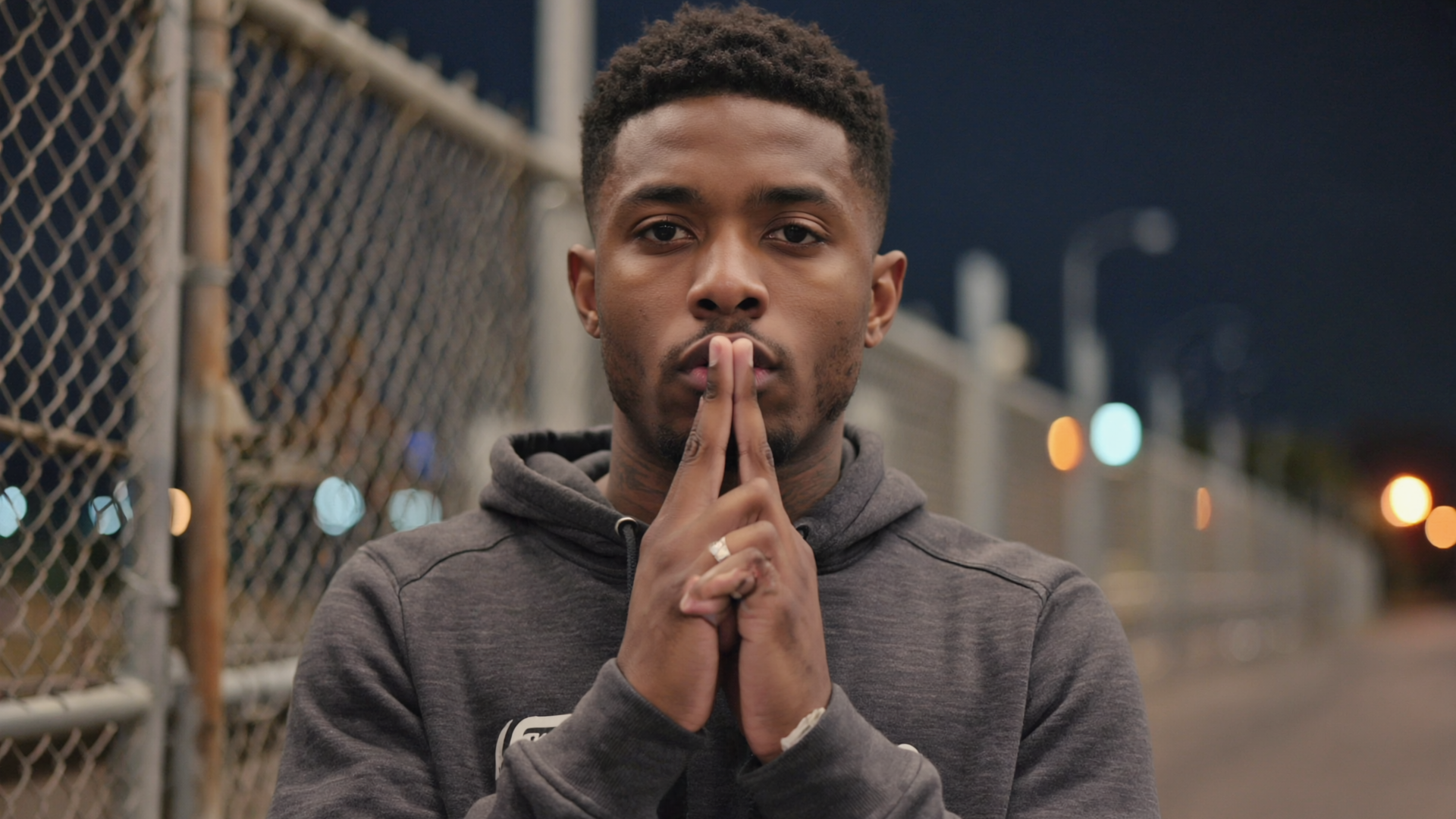


     From Survival to Solidarity: How “No Snitching” Was Born

    To understand why “no snitching” holds such power, we have to rewind the tape — back to the 1950s and 60s, when the first waves of Caribbean migrants arrived in the UK. They faced hostility on every front: racism in the streets, discrimination in jobs and housing, and open violence from police forces that treated Black people like enemies rather than citizens.

    Back then, “snitching” wasn’t just about betrayal — it was about survival. You didn’t talk to the police because they weren’t there to protect you. You handled things in-house because calling the authorities could make the situation worse.

    It was a way to build trust within a community that the system refused to serve. That’s where the code was forged — not in violence, but in solidarity. “We look out for us, because no one else will.”


    Pull Quote: “The no snitching code was once resistance dressed as loyalty. Today, it’s silence disguised as strength.”


     2025: The Code That’s Killing Us

    Fast-forward to today. The social landscape is different — or at least it should be. We have more visibility, more representation, more legal protections. Yet the “no snitching” code is stronger than ever, mutating into something far more toxic.

    Now, the silence doesn’t protect the innocent. It protects the guilty.

    • A teenager gets stabbed on the high street — and the CCTV shows 20 faces watching, none of whom will speak.

    • A young girl is groomed by a local gang — and her neighbours “don’t want to get involved.”

    • A grandmother’s house is shot up in a postcode war — and everyone knows who did it, but no one talks.

    Why? Because nobody wants the label. “Snitch.” “Fed.” “Op.” Once that word sticks, your credibility, safety, and even your life can be on the line.


     The Street Speaks: What “Snitch” Really Means Out Here

    “If you’re in the life, you don’t talk. Simple.”
    “I ain’t helping no police, they ain’t never helped me.”
    “Snitches get dealt with — end of story.”

    This logic runs on two main ideas:

    1. The ‘street life contract’: If you’re part of the streets — moving food, carrying weight, living by the code — you accept the risk. That means jail, death, betrayal. And it means you never talk, even if it saves you.

    2. The ‘police are the enemy’ narrative: Even people not involved in crime distrust the police. The history of over-policing, racial profiling, and brutality hasn’t vanished.

    Both hold truth. But here’s the issue: the code no longer distinguishes between those in the game and those outside it. Everyone’s bound by silence now — and that’s where the damage multiplies.
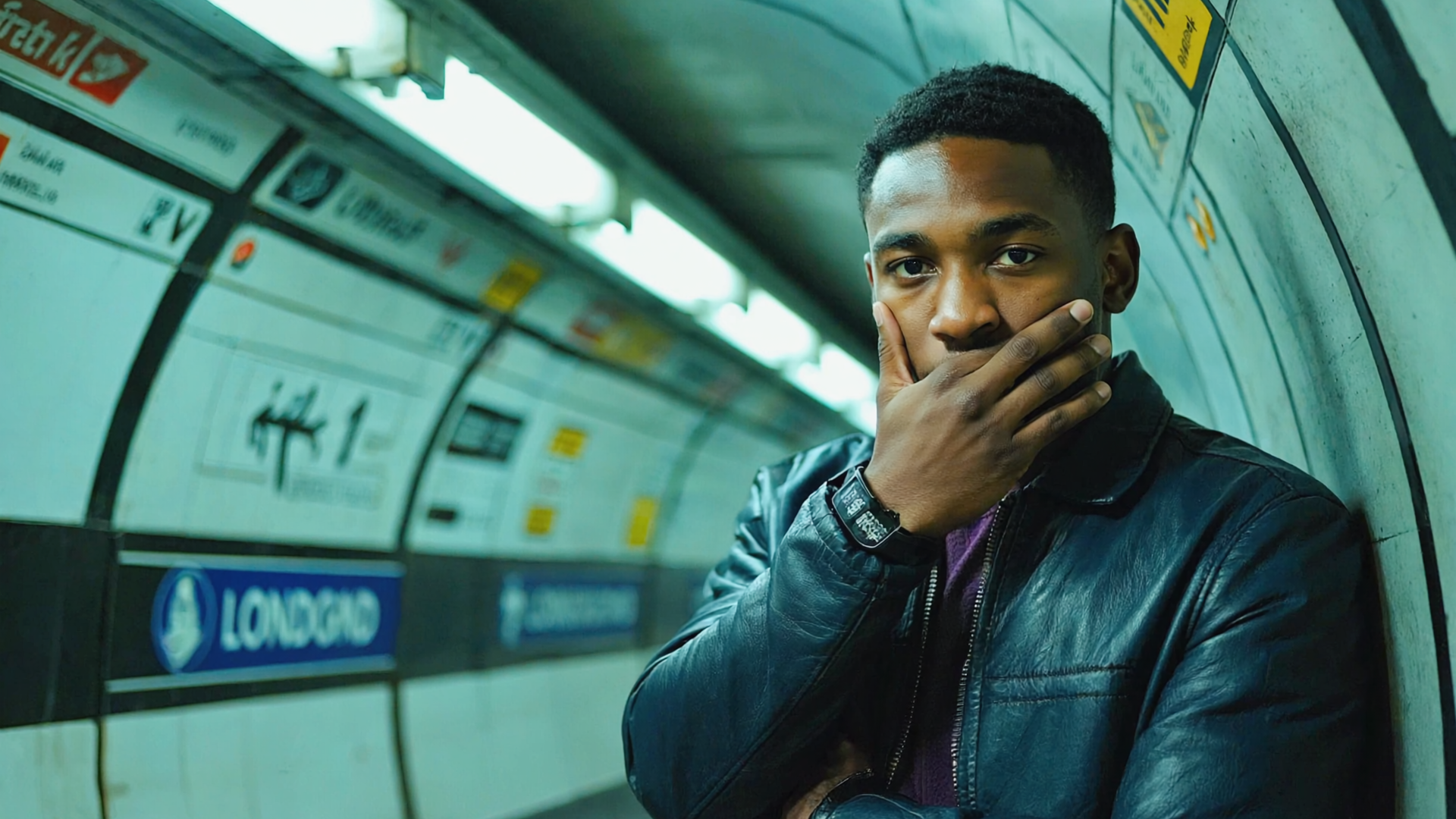


    Redefining “Snitch”: Time for a Reality Check

    The old definition (street logic):
    A snitch is anyone who talks to police or authorities about a crime, regardless of their involvement.

    The new definition (real logic):
    A snitch is someone who participates in criminal activity and then betrays their partners to save themselves.

    See the difference?

    • A civilian reporting a crime isn’t a snitch — they’re a responsible member of society.

    • A mother calling police because her son’s been stabbed isn’t a snitch — she’s seeking justice.

    • A witness identifying a shooter isn’t a snitch — they’re trying to stop the cycle.


    Pull Quote: “We need to stop calling truth-tellers ‘snitches’ and start calling them what they are: protectors.”


     How “No Snitching” Fuels the Violence Economy

    Silence is profitable. For gangs, traffickers, predators, and abusers, the “no snitch” mentality is the best free service they could ever ask for.

    It means they operate with near-impunity. It means witnesses disappear. It means victims stay quiet. It means evidence never sees daylight.

    Police estimate that over 60% of shootings go unsolved — not because they lack leads, but because witnesses refuse to speak. In some cases, officers know who the perpetrator is, but without testimony, the case collapses.


     Drill Culture, Social Media, and the Glorification of Silence

    Music, films, and social media don’t just reflect the “no snitch” mentality — they amplify it. Drill tracks brag about “never folding.” TikTok clips mock “rats.” Influencers spread misinformation that discourages cooperation.

    It’s not just a street code anymore — it’s a cultural one. And when silence is glorified as loyalty, and truth is demonised as weakness, we raise generations that choose reputation over responsibility.


     Breaking the Code: A New Ethic for a New Era

    We can’t afford to stay silent anymore. Breaking the code doesn’t mean abandoning loyalty — it means redefining it.

    Real loyalty isn’t letting a murderer roam free. Real loyalty isn’t protecting someone who’d stab your brother tomorrow. Real loyalty is building communities where we protect each other, not just ourselves.

    • Community-first loyalty: Protect the vulnerable before you protect the violent.

    • Clear boundaries: If you’re not in the life, you don’t follow its rules.

    • New language: Stop calling civilians “snitches.”

    • Collective courage: Support those who speak up instead of shaming them.


    Pull Quote: “Silence isn’t strength — it’s surrender. And we’ve been surrendering for far too long.”


     Conclusion: Silence Isn’t Strength — It’s Surrender

    “No snitching” was born as a shield. It kept us safe when the system wouldn’t. But in 2025, it’s no longer a shield — it’s a shackle. It binds us to cycles of fear, violence, and silence. It protects predators, not people.

    If we truly love our communities — if we truly want safety, justice, and freedom — then we must speak.
    We must redefine the word.
    We must rewrite the code.

    Because silence isn’t strength.
    It’s surrender.
    And we’ve been surrendering for far too long.

    The long-held “no snitching” mindset in parts of the Black community is rooted in a historical distrust of the police and justice system—much of it justified. But times have changed, and so must our thinking. Blind loyalty to skin colour should never outweigh justice, especially when the harm is coming from within the community itself. Expecting silence in the face of violence or abuse only protects wrongdoers and weakens us further. True unity isn’t about covering up crime—it’s about protecting one another, demanding accountability, and building a stronger future based on truth, not fear.


    Read more
  • The Triumphant Return: Mobb Deep Reloaded

    The Triumphant Return: Mobb Deep Reloaded

    By Mack Jehu | FeroMedia

    After years of silence, heartbreak, and unanswered questions, one of hip-hop’s most iconic duos is rising again. Mobb Deep — the legendary Queensbridge pairing of Prodigy and Havoc — is officially back with a brand-new full-length album. Their reemergence has the rap world buzzing, critics circling, and fans bracing themselves for a moment many thought would never come.

    With the announcement of a new project and the release of a lead single, we finally have a clearer sense of what’s next. And make no mistake: the comeback is real.


    A Legacy Reignited

    The last time Mobb Deep dropped a studio album was 2014’s The Infamous Mobb Deep — a powerful reminder of their enduring influence. But the hip-hop world was rocked when Prodigy passed away in 2017, leaving fans wondering if Mobb Deep’s story had reached its final chapter.

    Enter “Against the World,” the duo’s first single in over a decade. Produced by Havoc and featuring posthumous verses from Prodigy, the track is gritty, haunting, and deeply emotional. It’s both a tribute to a fallen brother and a statement that Mobb Deep’s voice still matters.

    “This one feels like coming full circle,” Havoc said in a statement. “It’s that classic Mobb energy — dark, real, unfiltered. The sound that shaped who we are but also speaks to where hip-hop is right now.”

    The message is clear: this isn’t a nostalgia act. This is evolution — grounded in legacy but aimed squarely at today.


    Infinite: What We Know

    The new album, titled Infinite, is set to arrive on October 10, 2025, via Mass Appeal, in partnership with Infamous Records / H-Class.
    Here’s what’s confirmed so far:

    • Title: Infinite

    • Release Date: October 10, 2025

    • Label: Mass Appeal / Infamous Records / H-Class

    • Producers: Havoc (executive producer), The Alchemist

    • ???? Track Count: 15 tracks (CD & vinyl preorders available)

    • ???? Guest Appearances: Nas, Raekwon, Ghostface Killah, H.E.R, Jorja Smith, Clipse, and more

    Most importantly, Infinite will serve as Mobb Deep’s ninth — and final — studio album, a legacy project that doubles as their definitive farewell.


    Sound, Soul, and Substance: What to Expect

    1. Classic Grit, Timeless Atmosphere

    “Against the World” proves the duo isn’t abandoning the dark, brooding aesthetic that made them icons. Expect dusty drums, eerie melodies, razor-sharp storytelling, and a stripped-down sound that leaves room for lyrical weight.

    2. Prodigy’s Presence Lives On

    Prodigy’s vocals aren’t mere scraps pulled from a hard drive — they’re woven deeply into the album’s DNA. His voice is integral, adding a layer of emotional gravity that transforms Infinite from a posthumous tribute into a true Mobb Deep collaboration.

    3. Versatile Collaborations

    With features ranging from Nas and Raekwon to H.E.R and Jorja Smith, Infinite is shaping up to be a cross-generational journey — balancing hardcore street rap with soulful, introspective cuts.

    4. A Legacy Revisited and Renewed

    The project will reflect on Mobb Deep’s origins — the streets, the struggles, the Queensbridge chronicles — while also exploring new sonic ground. Havoc’s promise to “speak to where hip-hop is right now” suggests a careful fusion of past and present.

    5. A Celebration on Stage

    Following the album’s release, Havoc will embark on a co-headlining tour with Raekwon, celebrating both Infinite and the 30th anniversary of The Infamous (1995). Expect a setlist that blends timeless classics with powerful new material.


    Why It Matters

    Many artists lean on nostalgia to stay relevant. Mobb Deep is doing something harder — returning with new music, real purpose, and unshakable authenticity.
    Infinite isn’t just an album. It’s a final chapter in one of hip-hop’s most influential stories — and a testament to the duo’s impact on the genre.

    For fans, it’s closure. For Havoc, it’s legacy. And for Prodigy, it’s immortality.


    Final Thoughts

    Mobb Deep’s return is shaping up to be one of hip-hop’s most significant moments of 2025. Expectations are sky-high: fans want the grit, critics demand evolution, and Prodigy’s shadow looms over it all. But if “Against the World” is any indication, Infinite will be more than a swan song — it’ll be a bridge between eras.

    October 10 can’t come soon enough. Whether this is the final chapter or a new beginning disguised as one, one thing is certain: the legacy of Mobb Deep will never fade.


    Read more
  • Racist Graffiti at Charing Cross Police Station Sparks Fresh Scrutiny of the Met

    Racist Graffiti at Charing Cross Police Station Sparks Fresh Scrutiny of the Met

    By FeroTV News Desk

    When racist graffiti — including the N-word — appeared inside a staff-only toilet at Charing Cross police station last week, the Metropolitan Police were quick to label it a “hate crime” and promise an investigation. But for Black Londoners, this wasn’t just another headline. It was confirmation of what many have known for years: the problem isn’t a few “bad apples.” It’s the culture.

    The Same Station, the Same Story

    Charing Cross isn’t new to scandal. Just two years ago, a watchdog report exposed a string of vile racist, sexist, and homophobic messages shared by officers inside the same station. Promises were made. Trust was supposed to be rebuilt. And yet, here we are.

    For communities who live with the day-to-day reality of over-policing, stop-and-search, and disproportionate arrests, this graffiti isn’t shocking. It’s exhausting.

    Voices from the Community

    “This is why we don’t feel safe — not even in the places that are meant to protect us,” says Ayo, a community organiser in South London. “If officers are using this kind of language behind closed doors, what do you think is happening on the street?”

    Social media lit up with frustration after the story broke. Many pointed out the irony: graffiti is being investigated as a hate crime, yet institutional racism within the force itself has been repeatedly excused or downplayed.

    A Broken Relationship

    The Met insists it’s committed to rooting out racism. But London’s Black community has heard these words before. From the Macpherson Report in the late ’90s — which first branded the Met “institutionally racist” — to Baroness Casey’s review in 2023, the story has barely changed.

    Reform after reform has been promised. Progress has been pledged. But incidents like this one show how fragile that progress really is.

    Beyond Graffiti

    This isn’t just about words on a bathroom wall. It’s about what those words represent: a policing culture that too often sees Blackness as a threat instead of a community to serve.

    Until that culture shifts — not in press statements, but in practice — Black Londoners will continue to live with distrust. And the Met will keep struggling to answer the same question: how can you protect a community that doesn’t believe you value its lives?


    Read more
  • UK Formally Recognises Palestinian State: A Historic Shift in Foreign Policy

    UK Formally Recognises Palestinian State in Historic Policy Shift

    FeroTV News | September 22, 2025

    In a groundbreaking move, the United Kingdom has officially recognised Palestine as an independent state, joining Canada, Australia, and Portugal in a coordinated diplomatic step. The announcement marks one of the most significant shifts in British foreign policy in decades, reshaping the conversation around the Middle East peace process.


    A Long-Awaited Decision

    Successive UK governments have resisted recognition of Palestinian statehood, arguing that it should only come as part of a final peace agreement with Israel. But Foreign Secretary David Lammy declared that the humanitarian crisis in Gaza and the West Bank left Britain with no choice but to act now.

    “This is both a moral and strategic necessity,” Lammy said, emphasising that the UK still supports Israel’s right to security but believes recognition is essential to building momentum for peace.


    Global and Historical Context

    The UK’s recognition carries special significance because of its historic ties to the region. From the 1917 Balfour Declaration to its administration of the British Mandate of Palestine, London has played a central role in the region’s modern history.

    By aligning with Canada, Australia, and Portugal, Britain is positioning itself as part of a new bloc of Western powers willing to challenge the long-standing diplomatic status quo. The move increases pressure on other European countries — particularly France and Germany — to follow suit.


    Reactions at Home and Abroad

    Within the UK, the decision has sparked intense debate. Labour MPs and civil society groups hailed the recognition as overdue and necessary. Pro-Palestinian demonstrations have celebrated the announcement, while critics — especially from Conservative benches — argue that recognition without a peace deal risks undermining Israel’s security.

    Israel’s Prime Minister Benjamin Netanyahu strongly condemned the move, calling it “a dangerous reward for terrorism.” His government is expected to push back diplomatically against London and its allies.

    Palestinian Authority President Mahmoud Abbas, meanwhile, welcomed the decision as “a step toward correcting a historic wrong.” Celebrations broke out in parts of Ramallah and Gaza City, though some activists stressed that recognition must be followed by real political and humanitarian progress.


    The Road Ahead

    Recognition does not change the immediate realities on the ground. Israel continues to maintain military control over much of the West Bank, and Gaza remains under blockade. The peace process has been dormant for years, with trust between both sides at its lowest point.

    Still, Britain’s decision alters the diplomatic landscape. By shifting Palestine’s official status, it strengthens its hand in international forums like the United Nations and could pressure both sides back toward negotiations.


    Why It Matters

    • Diplomatic Precedent: The UK is the largest Western nation so far to extend recognition, opening the door for others to follow.

    • Tensions with the US: The move creates a clear split with Washington, where President Donald Trump remains firmly opposed to Palestinian recognition.

    • Humanitarian Focus: With international concern mounting over conditions in Gaza, recognition signals a demand for urgent action.


    Conclusion

    The UK’s recognition of Palestine is both symbolic and strategic. It reflects growing global impatience with the stalemate in the Middle East and a call for fresh momentum in peace efforts.

    Whether this bold move sparks genuine negotiations or deepens regional divides will be one of the defining questions of international politics in the months ahead.

    Stay tuned to FeroTV for in-depth coverage and analysis.


    Read more
  • Hulk Hogan, WWE legend, dead at 71

    Hulk Hogan, WWE legend, dead at 71

    On July 24, 2025, the world bid farewell to Terry Gene Bollea—known to millions as Hulk Hogan—who passed away at the age of 71 due to cardiac arrest at his home in Clearwater, Florida.  His death marks the end of an era for professional wrestling and pop culture at large.

    The Rise of Hulkamania

    Emerging in the late 1970s, Hogan's charisma and larger-than-life persona quickly made him a household name. His victory over the Iron Sheik in 1984 for the WWF World Heavyweight Championship ignited "Hulkamania," a phenomenon that transcended wrestling and captivated audiences worldwide. With his signature red and yellow attire, bandana, and handlebar mustache, Hogan became the face of the World Wrestling Federation (now WWE) during its golden era. 

    A Cultural Phenomenon

    Hogan's appeal wasn't confined to the wrestling ring. He starred in films like Rocky III and Mr. Nanny, and his reality TV show Hogan Knows Best offered fans a glimpse into his personal life. His catchphrases and persona became ingrained in popular culture, making him one of the most recognizable figures of the 1980s and 1990s. [3]

    Reinvention and Legacy

    In the 1990s, Hogan reinvented himself as "Hollywood" Hogan, leading the New World Order (nWo) faction in World Championship Wrestling (WCW). This heel turn revitalized his career and played a pivotal role in the Monday Night Wars between WCW and WWE. Despite personal controversies and health challenges, including numerous surgeries, Hogan remained a beloved figure in the wrestling community. 

    Final Years and Farewell

    In his later years, Hogan focused on mentoring young wrestlers and exploring business ventures, including the launch of Real American Freestyle, a wrestling promotion aimed at showcasing amateur talent. His passing has elicited an outpouring of tributes from fans, fellow wrestlers, and celebrities, all honoring the man who helped shape professional wrestling into a global spectacle.

    Hulk Hogan's legacy is immortal. He wasn't just a wrestler; he was a symbol of perseverance, charisma, and the indomitable spirit of entertainment. As fans worldwide mourn his loss, they also celebrate the enduring impact of the man who told them to say their prayers and take their vitamins.

    Rest in peace, Hulk Hogan—the immortal, the icon, the legend.


    Read more
  • 796 dead babies expected to be found hidden in septic tank at unwed mothers’ home run by nuns

    FEROTV EXCLUSIVE REPORT
    "796 Lost Babies: Ireland Begins Long-Awaited Excavation at Tuam"
    By the FEROTV News Team


    June 2025 – Tuam, Ireland
    An emotional and historic moment is unfolding as Irish authorities begin the long-awaited excavation of a mass grave believed to contain the remains of 796 infants and children. The site lies on the grounds of a former Catholic-run institution—the Bon Secours Mother and Baby Home—which operated between 1925 and 1961.

    FEROTV traces the painful journey that has led to this point: a story of silence, sorrow, and long-overdue accountability.


    The Discovery
    The tragic truth began to emerge through the tireless work of local historian Catherine Corless. Her research uncovered death records for hundreds of children who lived and died at the Tuam home—most with no corresponding burial records. In 2017, her findings were confirmed when human remains were discovered at the site, shocking the nation and forcing a long-stalled response.


    The Excavation Begins
    Now officially underway, the excavation is expected to take up to two years. A specialized forensic team will exhume the remains, analyze them, and attempt identification through DNA testing. For survivors and the families of the lost, this work offers a chance for truth, justice, and—finally—closure.


    A Nation Reckons
    But this is not just about Tuam. It is part of a wider reckoning with how Ireland treated unmarried mothers and their children throughout the 20th century. Abuse, neglect, death, forced adoptions, and generations of silenced trauma—this dark legacy can no longer remain hidden.


    FEROTV’s Reflection
    At FEROTV, we stand with the survivors and their families. We are committed to honoring truth, restoring dignity, and amplifying voices that were silenced for too long.
    This is not just Irish history—it is human history.


    Stay tuned to FEROTV for ongoing coverage and in-depth investigations into the Tuam tragedy and its wider implications.


    If you'd like, I can help turn this into a video script, a visual social media post, or an extended feature article for your platform.


    Read more

  • OpenAI’s Ghibli Drop Just Gave the Internet an Identity Crisis


    OpenAI is at it again!

    Say what you want about them, but when it comes to the AI game? They stay two steps ahead. Always!

    And this time, it’s not about language, not about voice. It’s not some mind-blowing neural upgrade.

    It’s about a “vibe”: Studio Ghibli-style image generation.

    Yes, the soft, magical, pastel-soaked aesthetic of your favorite childhood animations is now AI-generated… and the internet has lost its damn mind!

    In less than 48 hours, timelines were flooded.
    Old memes, cartoonified. Characters, reimagined. Entire animations? Already in production.

    And who’s behind it? OpenAI.

    It all started with a tweet.
    But not just any tweet. A casually delivered mic drop from OpenAI CEO Sam Altman.

    “We are launching a new thing today—images in ChatGPT!”
    - Sam Altman, March 25, 2025


    And just like that, the internet cracked wide open!

    Within hours, timelines were bursting with animated versions of users’ selfies, scenes, and memories… each one dipped in soft light, muted palettes, and wide-eyed wonder.

    The style? Instantly recognizable - Ghibli.
    Or at least… Ghibli-inspired.

    Help! The Internet Has Been Ghiblified!

    Everyone became a Ghibli girl. A Ghibli boy.
    A Ghibli cat. A Ghibli dog. A Ghibli meme.

    In a matter of hours, people were generating full cartoon videos, building animated shorts, turning old tweets into storyboards, and remixing internet history with a Studio Ghibli filter.

    It’s cozy. It’s magical. It’s deceptively simple. And that’s the genius!

    “This represents a new high-water mark for us in allowing creative freedom... People are going to create some really amazing stuff.”
    - Sam Altman

    And create, they did.
    People who had never touched animation tools became creators, storytellers and visual moodboarders with actual output.

    OpenAI didn’t compete; they completely SWERVED!

    OpenAI hasn’t always been the king of image generation. While Midjourney, DALL·E, and Stable Diffusion carved out the visual throne, OpenAI stayed focused on language, sound, and seamless user experience.

    But instead of catching up, they pivoted. They didn’t chase realism. They chased emotion.
    And they nailed it.

    This wasn’t an AI flex. This was nostalgia on tap. And the internet drank it up.

    “You Don’t Understand Ghibli As an Art Form”

    But as expected, not everyone’s buying the magic. Because if you know Studio Ghibli, you know it’s not just aesthetic… It’s an entire philosophy.

    Founded in 1985 by Hayao Miyazaki and Isao Takahata, Ghibli was always about heart before hype. Emotion before exposition. Silence that speaks louder than spectacle.

    The new AI-generated style captures the vibe, yes… but critics argue it misses the depth. The struggle. The care. The hand-drawn imperfection that made Ghibli a masterpiece.

    But, What Even Is Ghibli?

    Ghibli isn’t just an aesthetic… It’s a legacy. It’s the dust in a sunbeam. The loneliness in a crowd. So when AI flattens that into soft light and sad eyes? Not everyone claps.

    However, this drop isn’t just about creativity. It’s about velocity. What once took teams, tools, and time now takes seconds. The meme-to-Ghibli pipeline is smooth. Frictionless and everywhere.

    People are turning old meme formats into Ghibli-style jokes; Creating animated reels in less than an hour... Rewriting brand aesthetics overnight... Generating full-blown short films… no animator in sight.

    It’s beautiful. It’s overwhelming, and yeah, it can be kind of terrifying.

    So… What Are We Really Looking At?

    This isn’t just about AI-generated images. It’s about automation vs. intention. Trend vs. tradition. Aesthetic vs. art form.

    When nostalgia becomes a button and legacy gets compressed into a filter, we need to ask:

    What stories are we telling? Who are we borrowing from? Are we creating… or just consuming more aesthetic copies?

    Because when everything becomes Ghibli, Nothing really is.

    What Happens Next?
    You don’t need a film degree to animate anymore. You don’t need a studio. But you do need to think.

    Ghibli isn’t just a style. It’s a language, and if we flatten it into content, we risk turning magic into marketing; legacy into likes.

    So yes - this is a moment. A cultural wave. A new era of creative freedom.
    But it’s also a test.

    Can we build with care? Can we honor what we remix? Can we remember where the magic came from?

    Or will we just ride the vibe until it breaks?

    Read more

  • Attorney Tony Buzbee Withdraws from Lawsuits Against Diddy, Raising Questions About Legal Missteps


    In a surprising development, high-profile attorney Tony Buzbee has withdrawn from more than a dozen lawsuits he filed against music mogul Sean "Diddy" Combs. The withdrawal comes due to an issue with Buzbee’s ability to practice law in the Southern District of New York—a procedural misstep that could have significant implications for the cases moving forward.

    Adding to the intrigue, Buzbee’s withdrawal follows a grievance filed against him by rapper Jay-Z, who took issue with Buzbee’s role in a now-dismissed sexual assault lawsuit. While Buzbee has not explicitly stated that the grievance played a role in his decision, the timing raises questions about its potential influence.

    Despite stepping away, Buzbee assured TMZ that his firm will continue to represent the plaintiffs, emphasizing that his departure was a personal decision tied to the admission issue. However, he did not provide further details on the nature of the problem.

    Could Legal Errors Benefit Diddy?

    Buzbee’s withdrawal highlights a critical reality in high-profile legal battles: procedural mistakes can have major consequences. In high-stakes cases like these, any misstep—whether administrative or strategic—can weaken a case or even lead to its dismissal. If Buzbee’s admission issue delays proceedings or causes disruptions in legal representation, it could work in Diddy’s favor, potentially resulting in settlements, dismissals, or even a lack of sufficient legal pressure to bring the cases to trial.

    This development raises broader concerns about the role of attorneys in complex celebrity lawsuits. A case’s outcome is not always determined solely by the strength of the evidence—it can also hinge on legal maneuvering, court procedures, and even technical errors.


    With Buzbee out, the question now is whether his firm can seamlessly carry on these lawsuits or if his exit will create openings that Diddy’s legal team can exploit. As the legal drama continues, one thing is clear: every move in this case could have far-reaching consequences.

    Femi Iloyi


    Read more

  • Angie Stone Dead at 63

    Angie StoneDead at 63 ...'Wish I Didn't Miss You'Singer. 

    TAKEN FROM TMZ

    Read more

  • E.coli Outbreak: Nationwide Alert Issued Over Contaminated Food Item

    Unraveling the UK's E.coli Outbreak Mystery: A Nationwide Health Alert

    Have you been experiencing stomach cramps, diarrhea, or fever recently? You might be one of the unfortunate victims of a mysterious E.coli outbreak sweeping across the United Kingdom. In a recent statement, the UK Health Security Agency (UKHSA) has issued an urgent health warning in response to a nationwide surge in E.coli cases linked to a yet-to-be-identified "nationally distributed food item."

    The concerning outbreak has already led to the hospitalization of around 37 people in England alone, with a total of 113 reported cases across the UK. While the majority of the infections affect young adults, the patient's ages range from as young as 2 years old to 79.

    In the quest to uncover the culprit behind the outbreak, the UKHSA has found a common thread: the presence of Shiga toxin-producing E. coli O145 (Stec). While this strain is notorious for causing severe diarrhea, stomach cramps, and fever, it can also lead to a life-threatening condition known as hemolytic uraemic syndrome (HUS), which may cause kidney failure, particularly in children.


    With the wide geographic spread of cases and their possible link to a widely distributed food item, it's crucial that we take necessary precautions to safeguard ourselves and our loved ones. Although the UKHSA has ruled out the spread of the disease through water sources, they emphasize the importance of adhering to stringent hygiene practices.

    Darren Whitby, Head of Incidents and Resilience at the Food Standards Agency (FSA), echoes this sentiment. He urges the public to exercise vigilance when handling and preparing food, including washing hands regularly with soap and warm water and ensuring equipment, utensils, and surfaces are thoroughly cleaned to prevent cross-contamination.

    So, what can you do to protect yourself and your family from this unsettling outbreak? Here are some essential tips from the UKHSA:

    1. Regularly wash your hands with warm water and soap. Please don't rely solely on alcohol gels, as they may not effectively kill all the harmful bacteria.

    2. Practice good food hygiene by washing fruits and vegetables properly and ensuring food is cooked thoroughly.

    3. Avoid preparing food for others and visiting people in hospitals or care homes if you experience diarrhea and vomiting.

    4. Refrain from returning to work, school, or nursery until 48 hours after your symptoms have subsided.

    As the investigation into the elusive E.coli source continues, remember to stay vigilant and adhere to these essential guidelines. Together, we can protect our communities and help combat this mysterious outbreak.

    By D7muzic

    Read more
  • Bukayo Saka And The Question British Media Still Refuses To Face


    Why are Black players so often singled out when England loses?


    When England loses, the country searches for answers.

    Fans debate tactics.
    Pundits question decisions.
    Newspapers search for headlines.

    But too often, one pattern continues to repeat itself:

    Black players become the face of national disappointment.

    And once again, many people believe Bukayo Saka was placed under an unfair spotlight following England’s defeat.

    Despite only playing a limited role in the match, sections of the British media chose to place Saka prominently on front pages and headlines — sparking renewed conversations about racial bias in football coverage and public perception.

    For many fans, the issue was not criticism itself.

    It was the imbalance.

    The Weight Black Players Carry

    Football has always reflected wider society.

    The game may unite millions, but it also exposes deeper tensions around:

    • race
    • identity
    • nationalism
    • media narratives
    • belonging

    Black footballers in England are often celebrated when the team wins.

    But when the team loses, many supporters feel the tone changes quickly.

    The scrutiny becomes sharper.
    The blame becomes more personal.
    The narratives become heavier.

    And over the years, players like:

    • Marcus Rashford
    • Raheem Sterling
    • Jadon Sancho
    • Bukayo Saka

    have all faced intense criticism that many believe crossed beyond normal football analysis.

    Why The Saka Coverage Sparked Debate

    Many supporters questioned why Saka became such a visible focus after the loss when:

    • he was not the captain
    • he did not play the full match
    • multiple factors contributed to the result

    That is why the coverage triggered wider conversations online.

    To some fans, it reflected a familiar pattern:
    Black players becoming symbolic targets after national disappointment.

    Whether intentional or unconscious, the impact remains powerful.

    Because media headlines shape public emotion.

    The Power Of Front Pages

    Newspapers do more than report events.

    They influence perception.

    The images they choose…
    the wording they use…
    the players they spotlight…

    all help shape national narratives.

    When certain athletes are repeatedly framed negatively, audiences can unconsciously absorb those associations.

    That is why representation in sports journalism matters.

    Especially in a country where football carries enormous cultural influence.

    Social Media Changed The Conversation

    Unlike previous generations, today’s athletes are no longer completely dependent on traditional media narratives.

    Fans immediately challenged the coverage online.

    Many users defended Saka and questioned why young Black players so often appear at the center of criticism after defeats.

    Social media has created something new:
    public accountability.

    Newspapers and broadcasters are now being challenged directly when audiences feel coverage becomes unfair or biased.

    This Is Bigger Than One Match

    The debate surrounding Saka is not only about football.

    It reflects a larger question British society still struggles with:

    Who gets protected…
    and who gets blamed?

    Because many Black athletes carry a unique pressure:
    they are expected to represent the nation fully during success —
    while often feeling isolated during failure.

    Football Should Unite — Not Divide

    England’s defeat belongs to the entire team.

    Victories are shared collectively.
    Losses should be too.

    No single player deserves to become the symbolic face of national frustration simply because headlines demand a target.

    Especially young players carrying the emotional pressure of representing millions.

    The Responsibility Of Sports Journalism

    Criticism is part of professional sport.

    Every player can and should face analysis.

    But journalism also carries responsibility.

    Fair reporting should examine:

    • tactics
    • team performance
    • management decisions
    • structural problems

    without creating narratives that unfairly isolate individuals.

    Because once media coverage feeds division, the damage extends beyond football itself.

    Bukayo Saka Represents More Than Football

    For many young people across Britain, Saka represents:

    • discipline
    • humility
    • talent
    • resilience
    • modern Black British excellence

    That is why moments like this resonate so deeply.

    People are not simply defending a footballer.

    They are defending fairness.

    The Bigger Question

    Football constantly speaks about:

    • inclusion
    • diversity
    • unity

    But those values matter most during difficult moments — not only during celebrations.

    Because real progress is measured by how society treats people when things go wrong.

    And many fans believe the treatment of Bukayo Saka once again exposed uncomfortable questions British media still has not fully answered.


    FEROmedia | FEROTV.com

    Culture. Community. Real Conversations.


    Read more
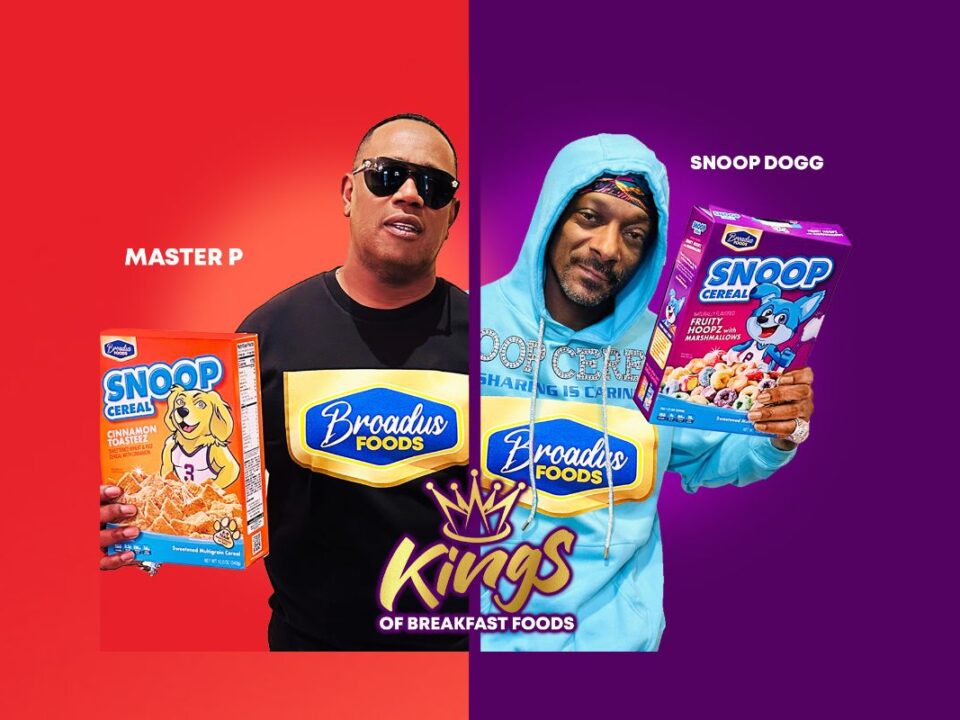
  • Snoop Dogg and Master P Sue Walmart and Post Consumer Brands, Alleging Racial Bias in Cereal Sale

    Snoop Dogg and Master P Sue Walmart and Post Consumer Brands, Alleging Racial Bias in Cereal Sales

     
    Rappers Snoop Dogg and Master P, who co-own the brand Snoop Cereal, have filed a lawsuit against Walmart and Post Consumer Brands, alleging that the companies intentionally sabotaged the sale of their cereal due to racial bias.
     
    According to the lawsuit, Walmart agreed to sell the cereal but then kept it off store shelves and hid it in stockrooms, making it difficult for customers to find and purchase. The rappers also allege that Post Consumer Brands, which manufactures the cereal, colluded with Walmart to prevent the product from being displayed prominently.
     
    The suit claims that the actions of Walmart and Post Consumer Brands were racially motivated and intended to prevent a successful Black-owned brand from succeeding in the marketplace.
     
    The rappers, along with their attorney Ben Crump, are seeking damages for the alleged harm done to their brand and reputation, as well as a court order to prevent similar actions in the future.
     
    In a statement, Crump said, "This case is about more than just cereal. It's about the ongoing racial discrimination and bias that Black-owned businesses face every day in America.


    Read more
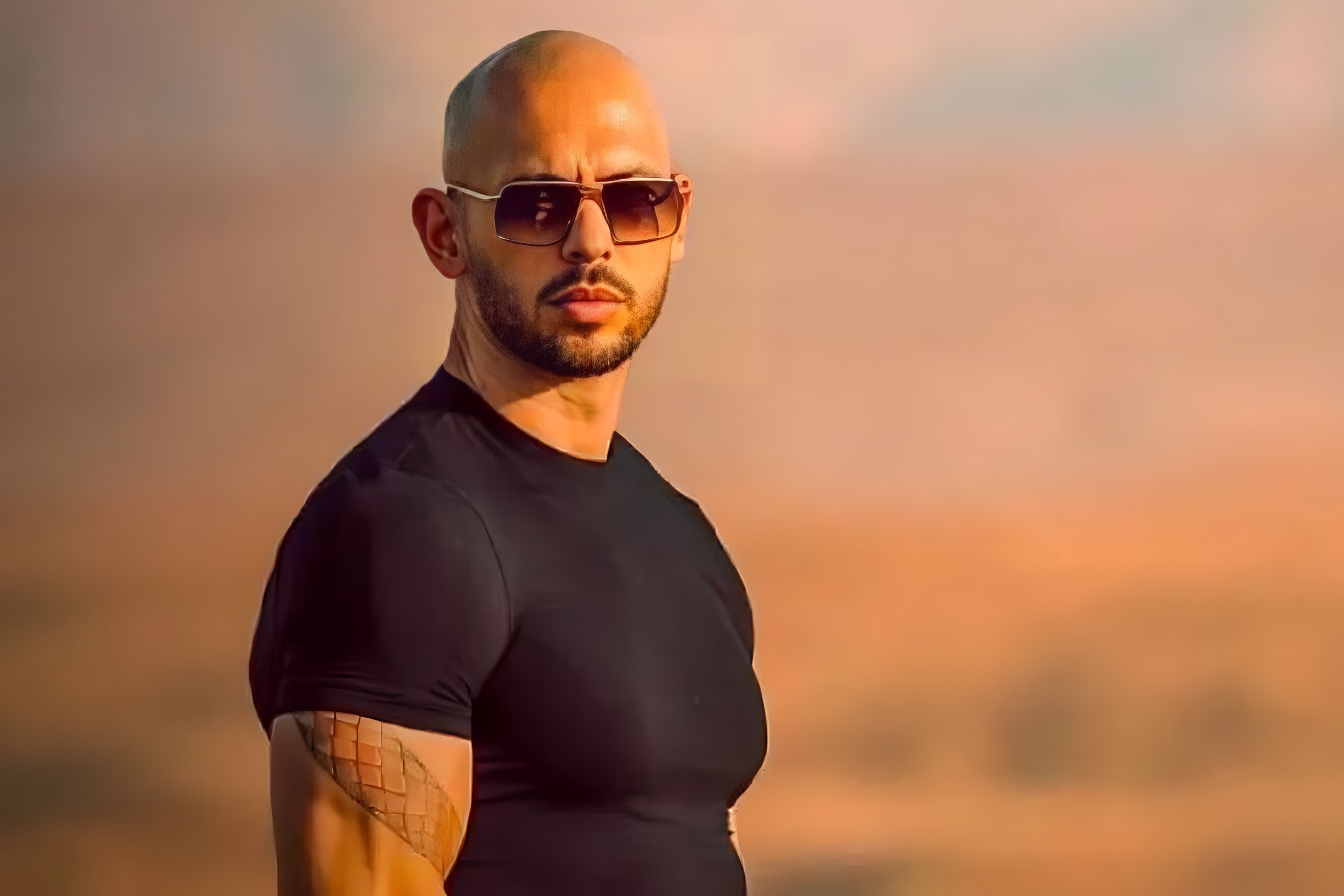
  • Andrew Tate: Unmasking the Truth Behind Allegations and Media Portrayals

    Andrew Tate: Unmasking the Truth Behind Allegations and Media Portrayals

    BBC DOCUMENTARY LINK BELOW

    http://www.ferorecords.com/watch.php?vid=d86983236

    In recent times, former kickboxing champion and entrepreneur Andrew Tate has found himself at the center of controversy, with various allegations and media portrayals attempting to paint a negative image of him. However, upon closer examination, it becomes evident that there may be more to the story than meets the eye. This article aims to shed light on the situation, exploring the allegations, the role of the media, and the larger implications for individuals in the public eye.

    Allegations and the Matrix Connection:

    One of the most intriguing aspects of the recent controversies surrounding Andrew Tate is the reference to "The Matrix," a popular science fiction film. Some critics have suggested that Tate's unconventional lifestyle and self-help advice mirror the movie's themes of breaking free from societal norms and pursuing personal empowerment. While the comparison may be superficial, it raises questions about the motivations behind the allegations and the attempt to link his life to a fictional narrative.

    Media Bias and Sensationalism:

    It's no secret that media outlets thrive on sensationalism, often exaggerating stories to capture the public's attention. In the case of Andrew Tate, some reports have focused on isolated incidents or taken statements out of context, contributing to a skewed perception of the entrepreneur. It is essential to approach media coverage with a critical eye and consider the possibility that narratives may be shaped to fit a particular agenda.

    BBC Documentary: A Questionable Perspective?

    The BBC documentary featuring Andrew Tate has added fuel to the fire, purporting to offer an inside look into his life and beliefs. However, critics argue that the documentary may have been edited selectively to portray a predetermined narrative. It is crucial for viewers to approach such documentaries with caution, recognizing the potential for bias and manipulation in the editing process.

    Andrew Tate's Resilience:

    In the face of these challenges, Andrew Tate has demonstrated resilience and a commitment to authenticity. He continues to share his experiences and insights with a global audience, encouraging individuals to break free from societal constraints and pursue their dreams. It is worth considering whether the efforts to tarnish his image are rooted in a resistance to unconventional ideas rather than any legitimate wrongdoing.

    Conclusion:

    While the controversies surrounding Andrew Tate may have created a cloud of suspicion, it is important to approach the situation with an open mind and a critical perspective. Allegations and media portrayals should be scrutinized for accuracy and bias, and individuals should be given the opportunity to present their side of the story. In a world that often demands conformity, those who challenge the status quo may face resistance, but it is crucial to separate fact from fiction and appreciate the nuances of each individual's journey.


    Read more

Latest Articles

Most Popular