
If We Don’t Tell Our Own Stories, Somebody Else Will — And They’ll Never Tell Them Right
What happened to Black newspapers like The Voice and The Nation — and why losing our media is more dangerous than people realize
Every day, stories about Black communities are being written by people who do not come from those communities.
People who do not understand the culture.
People who do not understand the struggle.
People who do not understand the language, the pain, the humor, the survival, the history, or the reality behind the headlines.
And that is a serious problem.
Because when you do not control your own narrative, somebody else controls how the world sees you.
There was a time when newspapers like The Voice and The Nation gave Black communities something powerful:
A voice.
Not a filtered voice.
Not a corporate voice.
Not a stereotype.
A real voice.

These platforms reported stories that mainstream media ignored. They highlighted Black excellence, Black businesses, Black culture, youth achievement, education, music, politics, racism, and community struggles from a perspective that actually understood the people involved.
They were not just newspapers.
They were cultural institutions.
They gave people representation in a media world that often erased or misrepresented Black communities completely.
But today, many people are asking:
What happened?
Why does authentic Black media feel weaker than ever?
And why are so many Black stories still being controlled by outsiders?
The Truth Is Financial
The uncomfortable truth is this:
Black media has always struggled financially.
While major mainstream media companies received corporate advertising, government relationships, investor funding, and institutional support, independent Black newspapers often survived on passion, sacrifice, and limited community backing.
Many fought to survive month by month.
Then the internet changed everything.
Social media platforms exploded. Print sales collapsed. Advertising money moved online. Big tech companies began controlling attention, traffic, and digital distribution.
Independent newspapers everywhere suffered.
But Black media was hit harder because many platforms already lacked financial stability to begin with.
And while communities consumed the content, too many people failed to financially support the platforms consistently enough to keep them growing.
That is one of the biggest issues in Black communities globally:
We consume more than we build.
We support trends more than infrastructure.
We make other platforms rich while struggling to fund our own.
Why Representation Behind The Camera Matters
People often talk about representation in movies, music, and television.
But representation in media ownership is just as important.
Because perspective changes everything.
The way a story is written matters.
The way a young Black man is described matters.
The way a protest is framed matters.
The way poverty is discussed matters.
The way violence is explained matters.
When people outside the culture tell the story, important context often disappears.
Too often Black communities are only shown through:
- crime
- violence
- dysfunction
- controversy
- stereotypes
But where are the consistent stories about:
- Black entrepreneurship?
- Black fathers?
- Black innovation?
- Black-owned businesses?
- Black educators?
- Black technology creators?
- Black community builders?
The media shapes public opinion.
If the only stories people see are negative, eventually society begins to associate Black communities only with struggle.
That is why owning media matters.
The Danger Of Losing Black Media
Losing independent Black newspapers and platforms is not just about journalism.
It is about power.
Media influences:
- politics
- economics
- opportunities
- public perception
- cultural identity
Communities without media ownership become dependent on outsiders to explain them to the world.
And outsiders will never tell the story the same way people living the reality can.
That is why platforms like The Voice mattered.
They documented culture from within the culture.
The New Generation Must Build Again
The future of Black media now belongs to independent creators, digital platforms, podcasts, streaming networks, YouTube channels, and community-driven journalism.
The technology exists.
The audience exists.
The talent exists.
But the mindset must change.
Communities must stop seeing Black media as just entertainment and start seeing it as infrastructure.
Support matters.
Ownership matters.
Because if communities continue giving all their attention, money, and energy to platforms that do not invest back into them, then independent voices will continue disappearing.
And once the voice disappears…
other people decide who you are.
A New Era Must Be Built
The next generation has an opportunity to rebuild something stronger.
Not just gossip pages.
Not just viral content.
Not just negativity.
Real media.
Media that educates.
Media that challenges.
Media that inspires ownership.
Media that creates opportunities.
Media that tells stories with honesty, depth, and cultural understanding.
The future cannot depend on waiting for mainstream acceptance.
The future must be owned.
Because communities that own media own influence.
And communities with influence have the power to shape their own destiny.
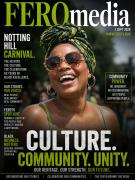
FEROmedia | FEROTV.com
The Voice Of Our Culture.









 Loading...